How to Get to Sjusjøen from Oslo, Lillehammer & Beyond — Transport Guide (No Car Needed)
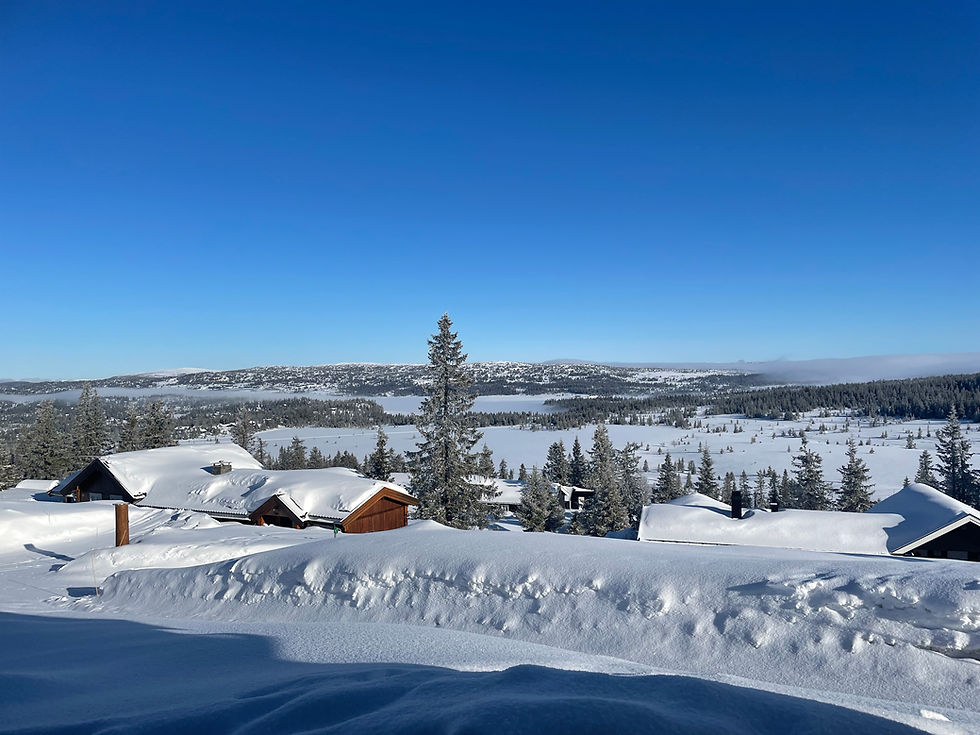
Sjusjøen stands as one of Norway's premier mountain destinations, yet many travelers assume a rental car is essential to reach this snow-blessed plateau. The reality is fundamentally different. Perched 800–900 meters above sea level in Ringsaker municipality, just 20 kilometers east of Lillehammer, Sjusjøen is remarkably accessible via public transport, seasonal ski buses, and strategic train-bus combinations. Whether you're stepping off an international flight at Oslo Airport or arriving from Bergen for a summer hiking retreat, this guide dismantles the myth that Norway's mountain areas require private vehicles.

What makes Sjusjøen genuinely exceptional is not just the 350-kilometer network of groomed ski trails or the legendary Birkebeinerrennet race—it is the fact that the world's finest cross-country skiing destination is also among its most accessible. Oslo Gardermoen Airport has a train station located directly beneath the terminal, with frequent departures throughout the day. From the moment you land, Sjusjøen is little more than a train and a bus away—no rental car, no navigation stress, no mountain driving required. This comprehensive transport guide provides real-world routing options, verified schedules, current pricing, and practical logistics for reaching Sjusjøen car-free from every major Norwegian city.
Understanding Sjusjøen's Geographic Position & Transport Infrastructure
Sjusjøen's accessibility paradox stems from its strategic location within Norway's Innlandet region. The destination occupies a unique position: far enough from Oslo to require deliberate travel planning, yet close enough to Lillehammer that seasonal ski-bus infrastructure has evolved into a reliable, year-round backbone of public transport connectivity.
The Geographic Reality
Sjusjøen is situated approximately 170 kilometers north of Oslo and 20 kilometers east of Lillehammer, the 1994 Winter Olympics host city. The area encompasses several thousand cabins scattered across a high-altitude mountain plateau characterized by dense forest, pristine lakes, and a microclimate that ensures snow stability from October through April. The elevation—800–900 meters—is critical to understanding why Sjusjøen maintains reliable winter conditions when lower-altitude Norwegian regions experience rain or slush.
This geographic positioning creates a natural transport funnel: all major public transport routes converge at Lillehammer Skysstasjon (the central bus and train station), making it the de facto gateway to Sjusjøen. From Lillehammer, the final 20-kilometer leg is handled by dedicated bus routes, primarily the seasonal Route 501 and year-round connections via regional services.
Transport Infrastructure & Seasonal Variations
Norway's public transport system operates on a sophisticated seasonal model. During winter (December–April), Innlandstrafikk operates dedicated ski-bus services running multiple times daily from Lillehammer to Sjusjøen. During summer months (June–August), regular bus services continue but with reduced frequency. This seasonal variation is critical to understand when planning your journey—a trip in March will offer different options than one in July.
The national journey planner Entur (available as a mobile app or web platform) aggregates all Norwegian public transport data in real-time, including trains, buses, ferries, and trams. For any trip to Sjusjøen, Entur should be your first reference point for current schedules, real-time delays, and integrated ticket purchasing.
Route 1: Oslo to Sjusjøen — The Complete Journey Breakdown
The Oslo-to-Sjusjøen journey represents the most common international traveler pathway and the most straightforward car-free option. The route involves two distinct segments: a high-speed train journey (Oslo to Lillehammer) followed by a regional bus connection (Lillehammer to Sjusjøen).
Segment 1: Train to Lillehammer
Distance from airport: ~180 kilometers | Duration: 2 hours to 2 hours 15 minutes | Frequency: 5–6 departures daily | Operators: Vy and SJ Nord (check Entur for current schedules)
The Oslo Airport–Lillehammer train line is one of Norway's most frequently serviced rail corridors. Oslo Airport station sits directly beneath the terminal — a 5-minute walk from arrivals — and is a scheduled stop on the same intercity line that serves Lillehammer. If you are arriving at the airport, board here and travel directly to Lillehammer — there is no need to go to Oslo city centre first. Multiple operators run modern intercity trains with comfortable seating, onboard catering, and reliable schedules.
Ticket pricing varies significantly based on booking timing: Early bookings (1–4 weeks in advance) typically cost kr 150–200 ($14–19 USD). Last-minute purchases at the station can reach kr 300–400 ($28–38 USD). Return tickets offer modest discounts. Students, seniors, and children qualify for reduced fares (approximately 20–30% discount). Promotional fares as low as kr 99 ($9 USD) are frequently available for flexible travelers booking via Entur or the operator's app.
Travelers starting from Oslo city centre board at Oslo S (Sentralstasjon), Norway's primary transport hub at Jernbanetorget, which is directly connected to Oslo's metro, tram, and bus networks. Luggage storage is available at Oslo S for travelers needing to secure bags during a city layover.
Pro Tip: Traveling on weekdays outside peak hours (mid-morning, mid-afternoon) typically offers better seat availability and sometimes lower fares than weekend travel.
Segment 2: Lillehammer to Sjusjøen (Bus Route 501)
Distance: 20 kilometers | Duration: 30–35 minutes | Frequency: 2–10 departures daily (varies by season and day) | Operator: Innlandstrafikk
Route 501 is the primary bus connection between Lillehammer Skysstasjon and Sjusjøen. The bus departs from the main bus station (Skysstasjon), located adjacent to Lillehammer's main train station, creating a seamless transfer point. The journey ascends gradually through forested terrain, with several stops at Sjusjøen neighborhoods including Sjusjøen Sentrum (the central hub), Mesnali, and Storåsen.
Ticket pricing: kr 55–80 ($5–7.50 USD) for a single journey. Monthly passes and season tickets are available for extended stays. Tickets can be purchased directly on the bus from the driver or pre-purchased via the Entur app, which often provides a kr 5–10 discount for app-based purchases.
Schedule frequency varies by season: During the winter ski season (December–April), Route 501 operates up to 10 times daily on weekdays, with departures concentrated in the morning (around 06:20, 09:20) and afternoon (11:20–16:20) windows. Outside the ski season (roughly May–November), weekday service runs 5 times daily at approximately 06:20, 09:20, 13:20, 15:20, and 16:20. Weekend (Saturday and Sunday) departures are reduced to 2 per day (approximately 09:20 and 15:20). Always verify exact times before you travel, as schedules change seasonally: use the Entur app or website for real-time journey planning and tickets, or download the current Route 501 PDF timetable directly from innlandstrafikk.no. The bus operates year-round, making Sjusjøen accessible in all seasons.
Critical connection point: Ensure your train from Oslo arrives with at least 15 minutes buffer before your planned bus departure. While Lillehammer Skysstasjon is compact and transfers are straightforward, unexpected delays or platform changes can consume time. The Entur app provides real-time platform information and estimated walking times between train and bus departure points.
Missed the bus? If you arrive in Lillehammer and the next Route 501 departure is hours away or has already left for the day, a taxi to Sjusjøen is always an option. Be aware that the 20-kilometer mountain journey means the fare is not cheap — but it gets you there, and local taxi services operate from Lillehammer Skysstasjon.
Total Journey Time & Cost: Oslo to Sjusjøen
Total duration: 2.5–3 hours (including 15-minute buffer at Lillehammer) | Total cost: kr 205–280 ($19–26 USD) for single journey | Return cost: kr 410–560 ($38–52 USD)
This represents one of Europe's most cost-effective mountain transport solutions, particularly when compared to Alpine destinations in Switzerland or France, where equivalent journeys often exceed $100 USD per person.
Alternative for Groups: Car Rental from Oslo Airport
Oslo Gardermoen Airport has one of the most conveniently located car rental facilities of any airport in the world. Unlike most international airports where collecting a rental car means a shuttle bus ride or a trek to a remote building, Gardermoen's car rental desks sit directly beneath the terminal — on the same floor as the train station. You walk off the plane and you are there in minutes, whether you are picking up a car or catching a train. For solo travelers and pairs, the train is almost always the cheaper and simpler option. But from three people sharing a car, rental becomes genuinely competitive with public transport, especially when booked in advance.
Booking an electric vehicle well ahead of travel can bring costs down significantly. Norway's extensive charging infrastructure makes EVs a practical choice, and lower operating costs mean the per-person price compares favorably with train tickets once you factor in the group. One practical detail: Norway operates an extensive network of electronic toll roads, and most rental agreements include automatic toll billing—charges are recorded during the rental and added to your final invoice, so there is nothing to do at the toll booths themselves.
The drive from Oslo Airport to Sjusjøen takes approximately 2 hours and 15 minutes via the E6 motorway north to Lillehammer, then the Rv255 east toward Sjusjøen.
Route 2: Direct Lillehammer Gateway — Optimizing Your Arrival
For travelers arriving at Lillehammer via other means—whether flying into Oslo and renting a car for the drive to Lillehammer, or arriving via other Norwegian cities—Lillehammer Skysstasjon represents the optimal transfer hub. Understanding the station layout and bus connections maximizes efficiency.
Lillehammer Skysstasjon: The Central Hub
Lillehammer Skysstasjon integrates train and bus services under one roof, with clear signage directing passengers to bus platforms. The station houses a small café, ticket counters, and information desks staffed during peak hours. Luggage storage is available (kr 30–50 per item for 24 hours), useful for day-trippers planning to explore Lillehammer before heading to Sjusjøen.
The walk from train platforms to bus departure areas typically takes 5–8 minutes. Real-time departure boards display bus schedules and platform assignments. During winter, the station is heated and cleared of snow, ensuring safe transfers even during harsh weather.
Ski-Bus Services: Seasonal Premium Option
During the winter ski season (December–April), Innlandstrafikk operates dedicated ski-bus services with enhanced comfort and ski-specific amenities. These buses feature:
Ski and snowboard storage in the luggage hold underneath the bus
Heated interiors with higher comfort standards than standard regional buses
Coordinated schedules aligned with peak skiing hours (early morning departures, afternoon return services)
Direct routing to multiple ski destinations (Sjusjøen, Hafjell, Skeikampen, Nordseter)
Ski-bus pricing typically ranges from kr 80–120 ($7.50–11 USD) for a single journey, slightly higher than standard Route 501 buses but justified by the specialized amenities and guaranteed seating during peak periods.
Booking ski-bus tickets: Advance booking via Entur is recommended during peak season (Christmas, New Year, Easter, February half-term). Walk-up tickets are available but may result in standing-room-only conditions on popular departure times.
Route 3: Alternative Gateways — Moelv & Hamar
While Lillehammer represents the primary gateway, alternative routes exist from nearby rail hubs, offering flexibility for travelers with different itineraries or those arriving from different directions.
Moelv Train Station Route
Moelv is a smaller rail station located south of Lillehammer on the Oslo–Lillehammer–Trondheim corridor. During winter, Route 608 (Moelv–Sjusjøen) operates as a dedicated ski-bus service, providing an alternative entry point for travelers preferring to avoid Lillehammer city center.
Journey profile: Oslo S to Moelv by train (approximately 1 hour 45 minutes, kr 150–200), then Route 608 bus to Sjusjøen (approximately 1 hour 15 minutes, kr 80–120). This routing is marginally longer than the Oslo–Lillehammer–Sjusjøen path but may appeal to travelers seeking a quieter, less-crowded alternative or those with specific train departure preferences.
Frequency: Route 608 operates 2–3 times daily during winter season (December–April) and is suspended during summer months. Check Entur for current schedules before planning this route.
Hamar Gateway: Eastern Approach
Hamar, located east of Lillehammer, serves as a secondary rail hub with connections to the Oslo–Trondheim corridor. During winter, seasonal routes 650 and 660 (Hamar–Gåsbu) provide ski-bus services. From Gåsbu, additional connections link to the broader Sjusjøen area.
Journey profile: Oslo S to Hamar by train (approximately 1 hour 45 minutes), then Route 650/660 to Gåsbu (approximately 1 hour), followed by Route 501 or local connections to Sjusjøen (approximately 1 hour). Total journey time: 4–4.5 hours. This route is generally not recommended for direct Sjusjøen travel due to longer duration and additional transfers, but it may suit travelers with specific Hamar-area business or those exploring the broader Innlandet region.
Long-Distance Routes: Trondheim, Bergen & Beyond
Travelers arriving from Norway's other major cities face longer but entirely feasible car-free journeys to Sjusjøen. These routes leverage Norway's comprehensive rail and bus network.
Trondheim to Sjusjøen
Total distance: Approximately 300 kilometers | Total journey time: 6–7 hours | Typical cost: kr 600–900 ($55–85 USD)
Recommended routing:
Trondheim Sentralstasjon to Oslo S by train (approximately 6 hours 30 minutes, kr 400–600). Norwegian intercity operators run multiple daily departures on this scenic route.
Oslo S to Lillehammer by train (2 hours, kr 150–200).
Lillehammer Skysstasjon to Sjusjøen by bus (30 minutes, kr 55–80).
Alternative faster routing (if available): Some travelers prefer Trondheim–Lillehammer direct bus services (operated by various regional carriers), which take approximately 3 hours. Combining this with the Lillehammer–Sjusjøen bus reduces total journey time to 3.5–4 hours but may involve waiting periods at Lillehammer depending on connection timing.
Pro Tip: Overnight trains from Trondheim to Oslo (sleeper options available) allow you to arrive in Oslo early morning, connect directly to Lillehammer, and reach Sjusjøen by midday—a strategy that maximizes skiing time during short winter days.
Bergen to Sjusjøen
Total distance: Approximately 450–500 kilometers | Total journey time: 7–9 hours | Typical cost: kr 800–1,200 ($75–110 USD)
Recommended routing:
Bergen Stasjon to Oslo S by train or bus (5–7 hours depending on service). The Bergen Railway (Bergensbanen) is one of Norway's most scenic train routes, offering a memorable journey through mountain terrain.
Oslo S to Lillehammer by train (2 hours).
Lillehammer to Sjusjøen by bus (30 minutes).
Alternatively, overnight bus services (e.g., FlixBus or other long-distance carriers) operate Bergen–Oslo routes (6–8 hours), potentially reducing total journey time when combined with morning train connections from Oslo to Lillehammer.
Reality check: Bergen to Sjusjøen represents a full-day journey. Most travelers combine this with overnight accommodation in Oslo or Lillehammer, transforming the journey into a multi-day experience rather than a single-day dash.
Stavanger, Kristiansand & Southern Norway
Travelers from southern Norwegian cities face similar multi-leg journeys, typically involving:
Regional train or bus to Oslo (3–5 hours)
Oslo to Lillehammer train connection (2 hours)
Lillehammer to Sjusjøen bus (30 minutes)
Total journey times range from 6–8 hours depending on starting city and connection timing. These routes are feasible but generally require overnight planning or acceptance of a full-day travel commitment.
Comprehensive Transport Comparison Table
Route | Starting Point | Total Duration | Number of Changes | Approximate Cost (kr) | Approximate Cost (USD) | Best For | Seasonal Considerations |
Route 1 (Primary) | Oslo S | 2.5–3 hours | 1 (train + bus) | 205–280 | $19–26 | Most travelers; international arrivals | Year-round; ski-bus in winter |
Route 2 (Direct) | Lillehammer Skysstasjon | 30–35 minutes | 0 (direct bus) | 55–80 | $5–7.50 | Already in Lillehammer | Year-round; enhanced winter schedule |
Route 3A (Moelv) | Moelv Station | 1 hour 15 minutes–2 hours | 1 (train + bus) | 160–220 | $15–20 | Travelers preferring quieter alternatives | Winter only (Route 608) |
Route 3B (Hamar) | Hamar Station | 4–4.5 hours | 2–3 (train + 2 buses) | 350–500 | $32–46 | Not recommended for direct travel | Winter only (seasonal routes) |
Long-Distance: Trondheim | Trondheim Sentralstasjon | 6–7 hours | 2 (train + train + bus) | 600–900 | $55–85 | Trondheim-based travelers | Year-round; overnight options available |
Long-Distance: Bergen | Bergen Stasjon | 7–9 hours | 2–3 (train/bus + train + bus) | 800–1,200 | $75–110 | Bergen-based travelers; scenic journey | Year-round; overnight planning recommended |
Strategic Implementation: Planning Your No-Car Journey
Step 1: Download Entur & Understand Real-Time Information
The Entur app (available for iOS and Android) is non-negotiable for Norwegian public transport travel. The app provides:
Real-time departure boards showing actual train and bus arrivals/departures
Integrated journey planning across all transport modes
Ticket purchasing with immediate digital delivery
Delay notifications and alternative route suggestions
Accessibility information (wheelchair access, bike racks, etc.)
Fare comparison across different operators
Unlike many European countries where separate apps are required for trains, buses, and ferries, Entur consolidates all Norwegian public transport data in one interface. This integration is critical for multi-leg journeys like Oslo–Lillehammer–Sjusjøen.
Pro Tip: Download Entur before arriving in Norway. International mobile plans often include data, but having the app pre-installed ensures functionality even with intermittent connectivity during your journey. If you prefer to plan offline, Innlandstrafikk publishes downloadable PDF timetables for all routes—including Route 501—at innlandstrafikk.no.
Step 2: Book Train Tickets in Advance
The Oslo–Lillehammer train route is heavily used by commuters and leisure travelers. Booking 1–4 weeks in advance typically yields discounts of 30–50% compared to walk-up pricing. The Entur app and operator websites (vy.no, sj.no) all allow advance booking.
Booking strategy: If your travel dates are flexible, book for Tuesday–Thursday departures, which typically offer better fares than weekend travel. Early morning trains (6–8 AM) are often cheaper than midday or evening departures.
Cancellation policies: Standard tickets are non-refundable but allow one free rebooking. Purchasing slightly higher-tier tickets (kr 20–50 more) often unlocks flexible cancellation policies—worthwhile insurance if your plans are uncertain.
Step 3: Coordinate Bus Connections with Buffer Time
While Lillehammer Skysstasjon is compact, train delays or unexpected platform changes can disrupt tight connections. Always aim for at least 15–20 minutes between train arrival and bus departure. If your train is delayed, Entur will automatically suggest alternative bus connections.
During peak ski season (December–April), Route 501 buses fill quickly. Arriving early at the bus platform ensures seat availability, particularly for travelers with luggage or ski equipment.
Step 4: Luggage & Ski Equipment Logistics
Norwegian trains and buses accommodate luggage and sporting equipment, but understanding regulations prevents confusion:
Trains: One large suitcase and one small carry-on per passenger are typically included. Additional luggage incurs a fee (kr 30–50 per item). Ski equipment is treated as luggage; most travelers pack skis in a dedicated ski bag.
Buses: Innlandstrafikk Route 501 allows one carry-on bag and one checked bag. Ski-bus services carry skis and poles in the luggage hold underneath the bus.
Best practice: Pack skis in a dedicated ski travel bag (available at sporting goods stores or rentable from ski shops). This protects equipment during transport and prevents damage to bus interiors. Many ski rental shops in Sjusjøen offer luggage storage for day-trippers, allowing you to explore without dragging bags.
Seasonal Variations & Special Considerations
Winter Season (December–April): Peak Accessibility
Winter represents Sjusjøen's peak season, when the 350-kilometer trail network is fully groomed and the Birkebeinerrennet (one of the world's largest cross-country ski races) draws thousands of international visitors. Public transport infrastructure is at its maximum:
Ski-bus frequency: Route 501 operates up to 10 times daily on weekdays from Lillehammer during peak ski season.
Specialized services: Dedicated ski-bus services with equipment racks operate on multiple routes.
Extended operating hours: Early morning services (6–7 AM) and evening return services (5–6 PM) accommodate skiing schedules.
Coordination with events: During Birkebeinerrennet (typically mid-March), additional shuttle services operate.
For the most convenient base, the top-rated cabin on Airbnb (airbnb.com/h/sjusjoencabin) sits directly on Sjusjøen's groomed network—step off the bus and straight onto the trails, with no shuttle or taxi needed.
Winter booking strategy: Book accommodation and transport 6–8 weeks in advance during peak periods (Christmas, New Year, Easter, February half-term). Last-minute availability exists but with premium pricing and limited accommodation options.
Summer Season (June–August): Reduced but Functional Service
Summer brings hiking, mountain biking, and fishing to Sjusjøen. Public transport continues but with reduced frequency:
Bus frequency: Route 501 runs 5 times daily on weekdays and 2 times on weekends (compared to up to 10 on winter weekdays).
Specialized services: Summer bus services to mountain attractions operate but with less frequency than ski-bus winter services.
Longer daylight hours: Extended daylight (Norway experiences near-midnight sun in June) allows flexible travel timing.
Summer travel advantage: Accommodation is more abundant and generally less expensive than winter. Advance booking (2–4 weeks) is still recommended but not as critical as winter.
Shoulder Seasons (May, September–November): Variable Conditions
Spring and autumn present mixed conditions. May features late snow and early hiking opportunities. September–November transitions from hiking to early-season skiing. Public transport operates on regular schedules but with variable demand:
Bus frequency: Standard regional weekday schedule (5 departures) with no dedicated ski-bus services; weekends drop to 2 departures.
Weather variability: Mountain roads may experience temporary closures due to snow or weather; Entur provides real-time alerts.
Advanced Logistics: Accessibility, Mobility & Special Needs
Norwegian public transport prioritizes accessibility for passengers with mobility challenges, disabilities, or special requirements.
Wheelchair & Mobility Assistance
Trains operating the Oslo–Lillehammer route (Vy and SJ Nord) feature wheelchair-accessible cars, accessible toilets, and staff trained in mobility assistance. Advance notification (24 hours) allows operators to arrange specialized support at stations. Contact your operator's customer service or book via Entur to flag accessibility requirements.
Innlandstrafikk buses (Route 501) feature low-floor designs with wheelchair lifts at most stops. Passengers requiring mobility assistance should inform the driver upon boarding. Advance booking via Entur allows you to flag accessibility requirements.
Families with Children & Strollers
Norwegian trains and buses are exceptionally family-friendly. Trains provide dedicated family cars with play areas, changing facilities, and spacious seating for strollers. Buses accommodate strollers in designated areas near entrances. Children under 4 travel free; children 4–15 qualify for 50% discounts on most services.
Cyclists & Bike Transport
Sjusjøen is renowned for summer mountain biking. Norwegian intercity trains typically feature dedicated bike cars (usually 1–2 per train) with secure parking. Bikes must be placed in designated racks; no additional fee is charged. Innlandstrafikk buses do not accommodate bikes on Route 501, but summer bus services to mountain destinations may include bike racks. Always verify bike transport availability via Entur before booking.
Cost Optimization Strategies: Maximizing Savings
Multi-Day Passes & Season Tickets
For extended stays in the Lillehammer–Sjusjøen region, multi-day passes offer significant savings:
Innlandstrafikk 7-day regional pass: Approximately kr 450–550, allowing unlimited bus travel across the region (including Route 501). Equivalent to 6–7 single journeys.
Train passes: Monthly passes for the Oslo–Lillehammer corridor cost kr 1,800–2,200, representing approximately 40% savings for frequent travelers.
National rail cards: Norwegian operators offer discount cards providing 10–20% discounts on most train tickets—worthwhile for travelers planning multiple train journeys during their Norwegian stay.
Group Discounts
Groups of 6 or more passengers qualify for 20–30% discounts on Norwegian intercity trains and many regional bus services. Arrange group bookings at least 7 days in advance through your chosen operator's group booking portal or by contacting customer service.
Bundled Packages: Accommodation + Transport
Many Sjusjøen accommodations (particularly hotels and larger cabin rental agencies) offer bundled packages combining lodging with transport vouchers or pre-arranged shuttles. These packages often represent 10–15% savings compared to booking transport and accommodation separately. Check with properties during booking.
Real-World Traveler Scenarios & Solutions
Scenario 1: International Visitor Arriving at Oslo Airport
Situation: You've just landed at Oslo Gardermoen Airport with two large suitcases and skiing equipment. You want to reach Sjusjøen by evening.
Optimal routing:
Head straight to the train station located directly beneath the airport terminal — well-signposted from arrivals, approximately 5-minute walk. Board a direct Lillehammer-bound intercity train here; do not travel to Oslo city centre first. Check Entur for the next departure (e.g., 4 PM or 5 PM).
Travel directly to Lillehammer (approximately 2 hours 15 minutes from the airport).
Arrive Lillehammer approximately 6:15–7:15 PM.
Transfer to the final Route 501 bus (if operating at that hour; winter evening buses run until approximately 6:30 PM, summer until 5:30 PM).
Arrive Sjusjøen by 7 PM or 8 PM. Contact your accommodation in advance to arrange a pickup if buses have ceased operations.
Total cost from airport: approximately kr 380–530 ($35–50 USD) depending on which train service you take and booking timing.
Alternative if evening buses are unavailable: Overnight at a Lillehammer hotel, then take a morning bus to Sjusjøen. This adds kr 400–800 for accommodation but eliminates time pressure and allows rest after a long flight.
Scenario 2: Day Trip from Oslo for Skiing
Situation: You're based in Oslo and want a single day of cross-country skiing at Sjusjøen, returning to Oslo the same evening.
Optimal routing:
Early morning train from Oslo S to Lillehammer (check Entur for current departures; aim to arrive by 09:00–09:10).
Transfer to Route 501 bus (09:20 departure) to Sjusjøen Storåsen (arrive approximately 09:55).
Ski from 10 AM to approximately 3 PM (5 hours of skiing time).
Return bus from Sjusjøen Storåsen (14:05 or 16:05 departure) to Lillehammer (arrive approximately 14:40 or 16:40).
Train from Lillehammer back to Oslo S (check Entur for next available departure).
Total cost: kr 400–500 ($37–46 USD) for round-trip train + bus. Many ski shops in Sjusjøen offer day-pass rentals (approximately kr 250–350), making a full day feasible within a kr 700–850 ($65–79 USD) budget.
Luggage strategy: Leave your suitcase at Oslo S luggage storage (kr 30–50) and travel with only a day pack containing ski clothes and essentials. This eliminates the burden of managing luggage during skiing.
Scenario 3: Multi-Day Birkebeinerrennet Experience
Situation: You're traveling from Bergen to Sjusjøen for the Birkebeinerrennet (typically mid-March) and want to participate in the race and related events.
Optimal routing:
Overnight bus or train from Bergen to Oslo (5–7 hours, departing evening).
Early morning train from Oslo S to Lillehammer (2 hours).
Bus to Sjusjøen (30 minutes).
Arrive Sjusjøen by midday, allowing time for race registration and preparation.
Race day: Participate in Birkebeinerrennet (54 kilometers).
Post-race: Enjoy après-ski events and related activities (typically 2–3 days of festivities).
Return journey: Reverse routing (Sjusjøen–Lillehammer–Oslo–Bergen) over 1–2 days.
Total transport cost: kr 1,400–1,800 ($130–165 USD) for round-trip. Most Birkebeinerrennet packages include accommodation and transport coordination; verify with your booking source.
Pro Tip: The Birkebeinerrennet organization often arranges group transport from major cities. Inquire when registering for the race—group packages may offer savings and guaranteed seating during peak travel periods.
Conclusion: Sjusjøen Is Easily Reachable — By Train or By Car
The real takeaway from this guide is simple: getting to Sjusjøen is easier than most people expect, and you have genuinely good options. The Oslo–Lillehammer–Sjusjøen corridor is one of Europe's most efficient mountain access routes, combining frequent intercity trains with a year-round regional bus — a seamless, affordable system that requires no driving at all. At the same time, Oslo Airport's car rental facility is one of the best-positioned in the world — located directly beneath the terminal, in the same level as the train station. Unlike most international airports where car rental requires a shuttle bus, a long walk, or a separate terminal, at Gardermoen you walk off the plane and you are there in minutes. It makes picking up a car just as frictionless as catching a train.
Which option works best comes down to your group size and travel style. Solo travelers and pairs will almost always find public transport the more economical choice — a train and bus from the airport for under kr 400. For groups of three or more, car rental can be similarly competitive, particularly when booked in advance and with an electric vehicle. Tolls are billed automatically through the rental agreement, so there is nothing to manage on the road. Both routes take roughly the same time.
The broader point is this: Sjusjøen is not a remote destination that demands a car. It is a world-class cross-country skiing plateau with reliable, year-round access from Oslo Airport, Oslo city centre, Lillehammer, and beyond. Whether you step off a train at Lillehammer Skysstasjon and catch the Route 501 bus, or drive directly from the airport on the E6, you will arrive at 800–900 meters above sea level and 350 kilometers of groomed trails.
For public transport travelers: Download Entur before arriving in Norway, book trains 2–4 weeks in advance, and aim for a 15–20 minute buffer at Lillehammer for the bus connection.
For drivers: Book your rental car well ahead, consider an electric vehicle, and note that toll charges are handled automatically by the rental company.
Sjusjøen awaits — the only question is how you prefer to get there.